
For today’s businesses and nonprofit organizations, understanding Search Engine Optimization (SEO) and implementing it successfully is important for brand visibility. With strategic application, you can get your website to rank higher in online search results, as well as attract the right audience and drive meaningful results for your brand.
But let’s be honest, people throw words like “SEO” and “keywords” around a lot, so let’s break it down: what exactly is SEO and why does it matter? In this short article, we’ll cover the basics: what it is, how it works, and why you should implement it. We’ll even throw in a few easy tips to get you started!
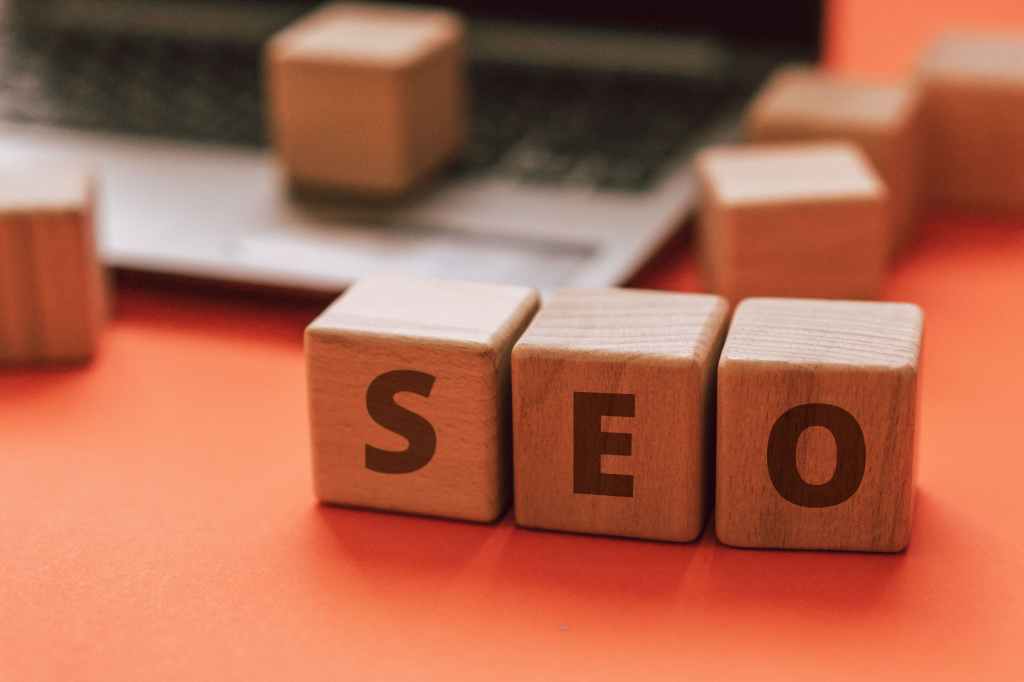
What is SEO?
SEO, or Search Engine Optimization, is the strategic process of enhancing a website’s visibility and ranking in search engine results pages. By optimizing your website’s content, structure, and user experience, you can increase your brand’s exposure and quality web traffic without paying for it, also known as “organically.” When implemented well, you’ll increase the likelihood of your website appearing among top search results on platforms such as Google, Bing, DuckDuckGo, etc., and thus increase the chance your audience will find your site online.
SEO encompasses a range of techniques and practices, some more advanced than others. Ultimately, it’s about understanding what people are searching online, how they’re phrasing their questions, the answers they’re looking for, and making it easy for them to navigate your content. What are the questions being asked, and are you offering clear and trustworthy answers?
How does it work?
We recently spoke with content marketing expert Colin Brennan to learn more about the complexities of optimization, and one thing he stressed was context. To successfully implement SEO strategies, we first need to understand what terms mean and how they work, before the “why” will make sense. Understanding the context of SEO terms and strategies leads to more effective optimization.
Let’s take keywords, for example. Keywords are search queries or phrases that users type into search engines when looking for answers. Based on these searches, platforms such as Google attempt to understand what the user is looking for and use algorithms to determine the best, most helpful answers. The algorithm grades billions of pieces of content using many different factors to find these answers. Alongside the “authority” of a site, relevance, including keywords, is a large part of its assessment.
Google lists the key factors it grades:
- Meaning
- Relevance
- Quality
- Usability
- Context
With this in mind, implementing SEO includes meticulous keyword research to identify terms relevant to your website’s content. Tools like Google Keyword Planner and SEMrush can help you uncover high-impact keywords with substantial search volume. On-page SEO involves optimizing individual web pages by refining elements such as titles, headings, meta descriptions, URLs and content, and ensuring they align with search engine algorithms. Off-page SEO includes technical aspects like website speed, mobile-friendliness, and secure connections, as well as ethical link-building practices and the impact of social media on search engine rankings.
Just remember, it’s not just about quantity; it’s about delivering real value to your readers. Craft content that answers their questions, solves their problems and educates them about your products or services. SEO isn’t an instantaneous process—it might take six to 12 months for it to pay off. However, over time, as your trustworthiness improves in the eyes of a search engine such as Google, your content can begin to organically appear in more search results.

Why is it important?
SEO enhances organic (non-paid) traffic by improving search result rankings. Implementing effective SEO best practices is a cost-effective way to enhance website visibility, attract more visitors, and achieve strategic digital marketing objectives. The majority of online traffic is driven by search engines, even taking paid advertising and social media into account. Organic results often appear more trustworthy to users than paid advertisements, meaning they will receive more clicks. Done right, this can lead to business growth and a strong community of customers for your brand. SEO is a dynamic field, and by mastering these fundamentals, you can position your business for long-term online success.
Interested in implementing SEO best practices for your organization and not sure where to start? Reach out to hello@barbercomms.com.

 Barber Communications
2 thoughts on “What is SEO and why is it important?”
Comments are closed.